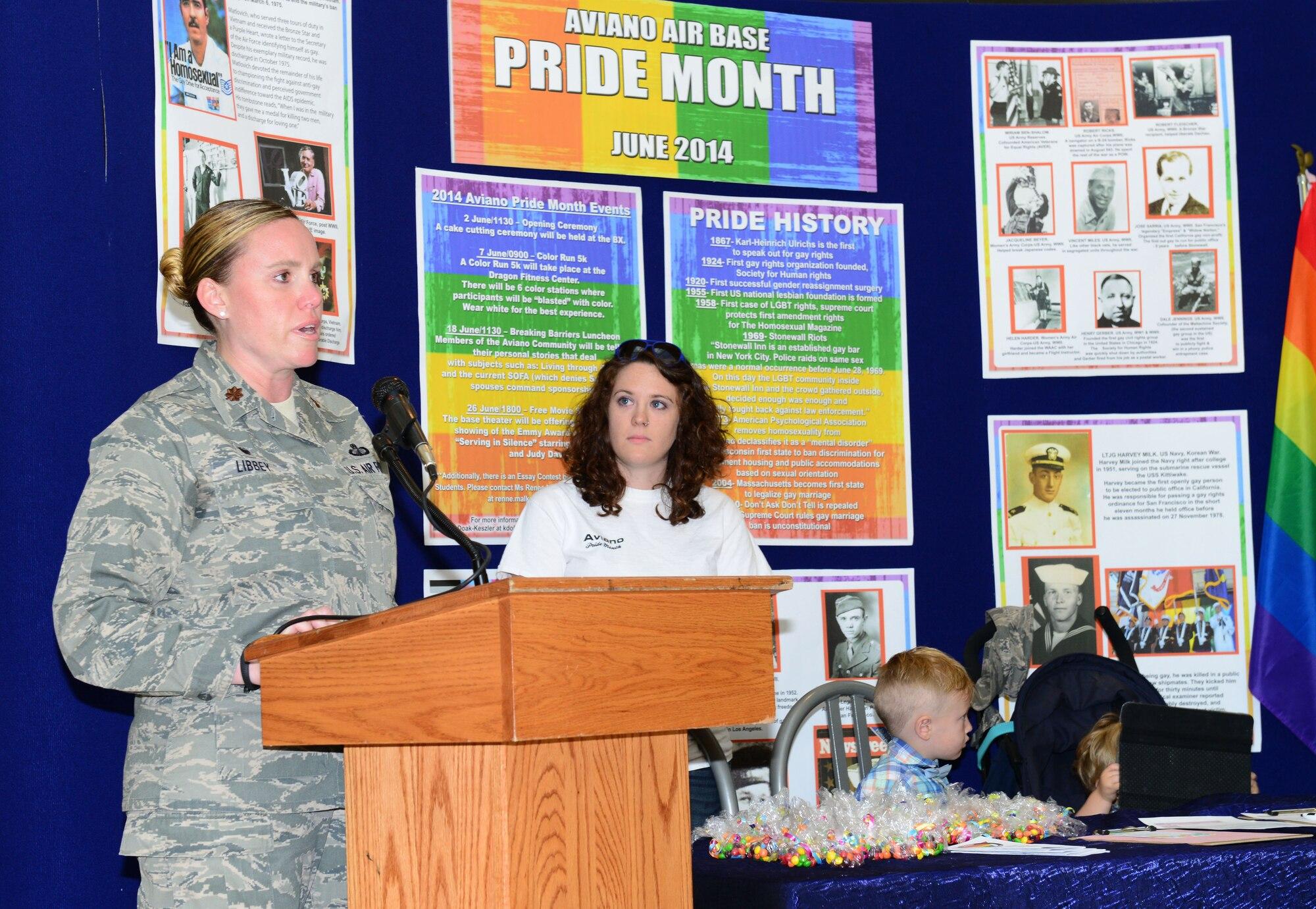
The perception of homosexuality and the LGBT (Lesbian, Gay, Bisexual, and Transgender) community has undergone significant changes over the years. While progress has been made in terms of societal acceptance and legal rights, there is still much work to be done to challenge the negative stereotypes and discrimination that persist.
The Impact of Negative Perceptions
Negative perceptions about homosexuality and the LGBT community can have serious consequences on individuals' well-being and the overall society. Such prejudices often lead to discrimination, exclusion, and violence. Individuals who identify as LGBT can face rejection from their families, discrimination in the workplace, and even physical harm due to homophobia. This can result in various mental health issues, including depression, anxiety, and suicidal thoughts.
Educating for Acceptance
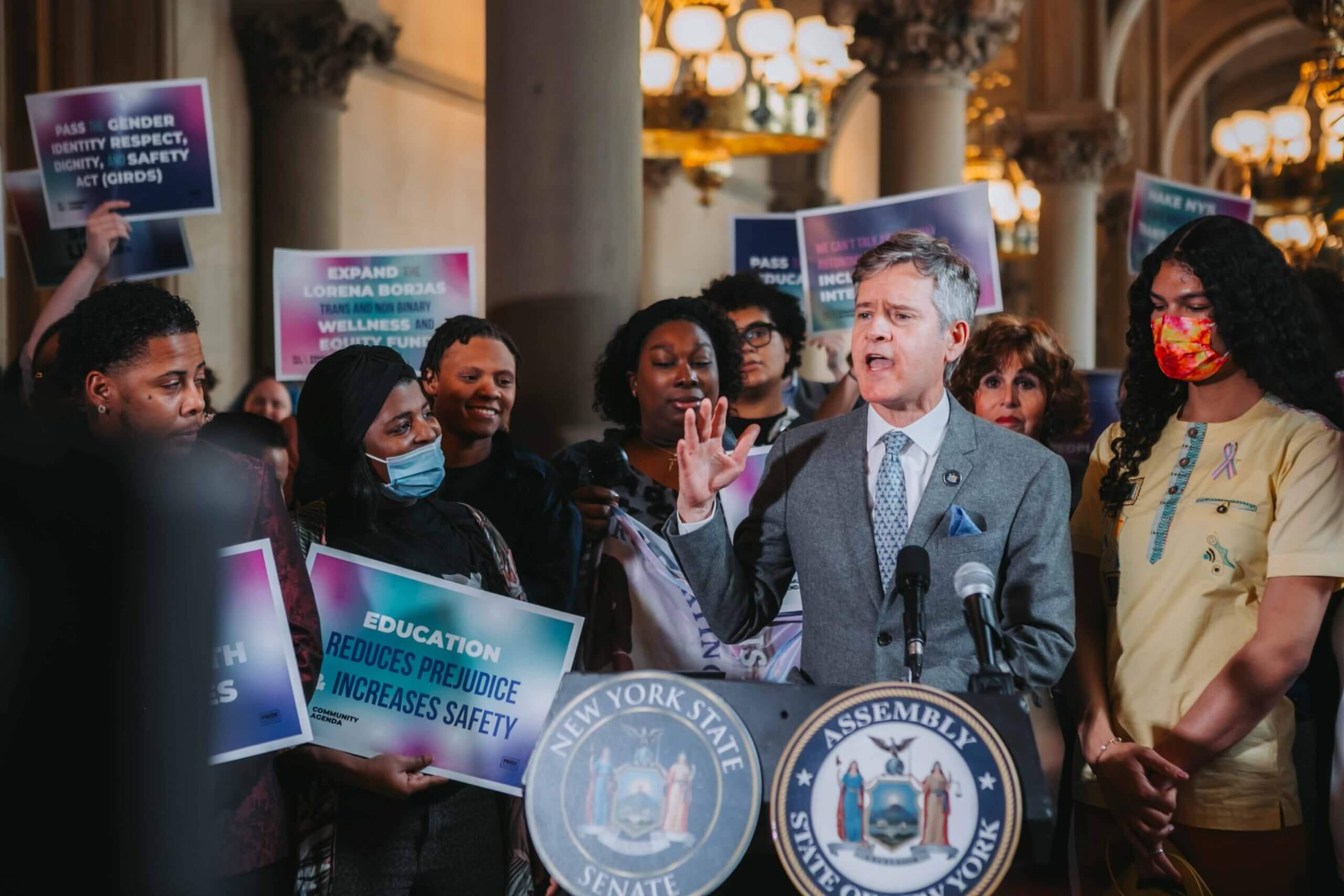
One of the most effective ways to combat these negative perceptions is through education and awareness. By providing accurate information and promoting understanding, we can challenge misconceptions and foster a more inclusive society. Schools, community centers, and organizations can play a crucial role in educating both young people and adults about sexual orientation and gender identity.
Activities for Change
Ahead of International Day Against Homophobia, Transphobia, and Biphobia (IDAHOT), various activities can be organized to challenge negative perceptions. These activities could include:
- A television debate about the negative aspects of discrimination based on sexual orientation and gender identity, aiming to raise awareness and promote dialogue.
- Workshops and seminars conducted by experts in the field to address common misconceptions and provide information about the LGBT community.
- Art exhibitions, film screenings, or theater performances that highlight the experiences and challenges faced by LGBT individuals.
- Public awareness campaigns through social media, encouraging individuals to share their stories and support equality.
Hotels: A Space for Inclusivity
Hotels can also contribute to fostering an inclusive environment for the LGBT community. By adopting inclusive policies and training staff to be respectful and non-discriminatory, hotels can create a welcoming atmosphere for all guests, regardless of their sexual orientation or gender identity. Providing gender-neutral bathrooms, acknowledging diverse relationships, and offering LGBT-friendly amenities can all contribute to making LGBT guests feel valued and understood.
In conclusion, challenging perceptions about homosexuality and the LGBT community is crucial for building a more accepting society. By promoting education, awareness, and inclusivity, we can strive for a future where everyone, regardless of their sexual orientation or gender identity, can live free from discrimination and enjoy equal rights.